

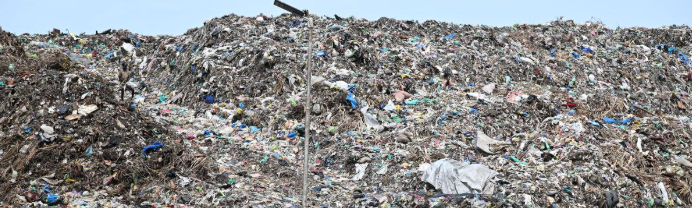
Once a vibrant green playground shaded by Mayflower trees where children played football, Nelliyamparamba (also spelled Njeliyanparamba) on Kozhikode’s outskirts has transformed into a sprawling waste dumping ground over the past century. Spanning about 16 acres, this site has long served as the city’s primary landfill, absorbing everything from household garbage to human waste turned into fertilizer for nearby rubber estates. Today, it stands as a stark symbol of urban waste challenges in Kerala, but recent initiatives promise a greener future.
A Century-Old Dumping Legacy
Nelliyamparamba’s story began over 100 years ago as an open dump for Kozhikode’s refuse. By the mid-1980s, the rise of plastic carry bags worsened the crisis, leading the Kozhikode Corporation to bury waste in trenches. Non-biodegradable plastics piled up, causing unbearable stench, clogged drains, and groundwater contamination that made local wells undrinkable even ruining wedding feasts. In the early 1990s, the Corporation built its first waste treatment plant, handling only biodegradable waste while plastics washed away during rains. Residents protested with sit-ins and road blockades, forcing upgrades like inoculum solutions to curb odors. Despite these efforts, groundwater pollution persists, requiring daily water tankers for the locality.
Environmental and Health Impacts
The dump’s leachate has severely polluted local aquifers, with a 2018 report noting failures in the liquid treatment plant. Complaints from 2016 highlight residents’ struggles with waste disposal, turning daily life into a nightmare. Protests peaked in the 2000s, including a 2006 decision to continue dumping there under district orders. These issues extend beyond smell: contaminated water affects health, agriculture, and ecosystems in this residential area near rubber plantations. The site’s rejects continue to pile up, though city-wide waste reforms owe much to local activism.
Failed Projects and Controversies
Early 1990s plants failed due to incomplete treatment capabilities. A 1998 solid waste treatment plant construction sparked a major controversy, with the Kerala government halting recovery of ₹4.92 crore from former councillors and officials in 2025 after audits questioned expenditures. These setbacks delayed sustainable solutions, leaving legacy waste to accumulate.
Hope on the Horizon: Biomining and Biogas Revival
In February 2026, the Kerala Solid Waste Management Project (KSWMP) launched biomining at Nelliyamparamba to scientifically clear legacy waste, reclaiming 12.6 acres. Costing ₹31 crore, this process will enable Bharat Petroleum Corporation Limited (BPCL) to build a modern compressed biogas (CBG) plant on the site. Kozhikode Corporation’s 2026-27 budget prioritizes this, promising a permanent fix alongside sewage plants at West Hill and Sarovaram. A master plan for remaining land is underway, turning “waste to best” as envisioned in recent reports. By late 2026, the site could power vehicles with CNG from local trash, easing resident woes.
As biomining progresses, this once-forgotten paramba may bloom anew perhaps echoing its football-field days with sustainable energy instead of stench. Kozhikode’s transformation offers hope for other Kerala towns grappling with similar sites.