

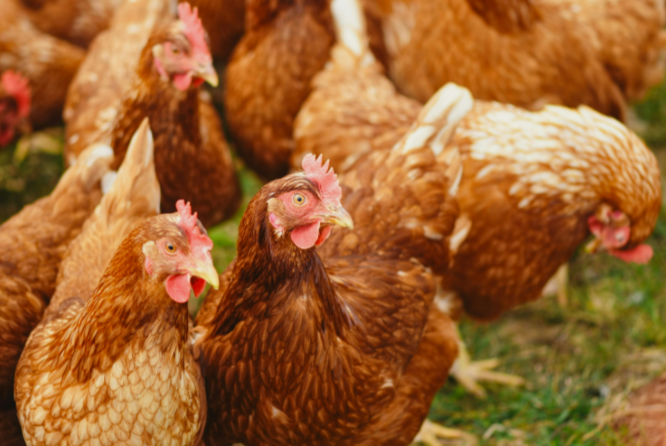
Bird flu, or avian influenza (H5N1), has now hit Kozhikode district in March 2026, with the virus confirmed in multiple local bodies and rapid‑response teams moving in to cull thousands of birds as part of a containment drive. So far, the outbreak has been restricted to poultry and no human cases have been reported from the district, but authorities have sounded a high‑level alert and are enforcing strict biosecurity and surveillance measures across affected areas.
Where exactly in Kozhikode is it detected?
Laboratory tests have confirmed the presence of the H5N1 strain in birds in several pockets of Kozhikode district, including Panangad, Olavanna, Kakkodi and Perumanna grama panchayats, as well as Nallalam within the Kozhikode Corporation limits. These are predominantly peri‑urban and rural localities with a mix of backyard poultry units and small commercial farms, which makes containment both logistically complex and urgent. The detection across multiple local bodies suggests that the virus may have already spread through a network of shared water sources, live‑bird markets, or movement of birds and poultry‑related equipment before it was caught by surveillance. Rapid‑response teams under the District Animal Husbandry office have been deployed to each of these clusters to map infected herds, demarcate containment zones, and begin culling operations.
What is being done in Kozhikode?
Following confirmation of H5N1, the Kozhikode district administration has invoked the central government’s avian‑influenza containment protocol, treating each affected ward as a separate “infected zone” with a 1–km radius of strict control. Within these zones, all susceptible birds both commercial and backyard are being culled to prevent further spread, with plans to destroy tens of thousands of birds across the district as part of a coordinated operation. Movement of poultry and poultry products in and out of the affected localities is being restricted, and vehicles transporting birds or feed are being disinfected at designated checkpoints. Farmers are being sensitised on biosecurity measures such as isolating sick birds, avoiding contact with dead poultry, disinfecting sheds and equipment, and reporting unusual bird deaths immediately to local veterinary staff.
Impact on Kozhikode’s poultry economy
Kozhikode is a key poultry hub in Malabar, with a significant number of backyard units supplying eggs and meat to local markets and a growing cluster of small‑to‑medium commercial farms feeding urban and suburban demand. The current H5N1 outbreak has already triggered a wave of culling, income loss for smallholders, and anxiety among poultry traders who fear buyers might avoid Kozhikode‑sourced birds even if they come from non‑affected areas. For many households, especially in agrarian and semi‑urban pockets, backyard poultry is a regular source of income and nutrition, and the loss of entire flocks can push already thin margins into negative territory. At the same time, the district’s wet markets and small‑scale meat vendors face short‑term demand shocks, not because of any proven risk in properly cooked poultry, but because of public fear and misinformation.
Risk to people and what residents should do
Health authorities in Kozhikode have repeatedly emphasised that there are no confirmed human cases of H5N1 linked to this outbreak so far, and that the virus is not transmitted through well‑cooked chicken or eggs. The route of human infection remains close, unprotected contact with infected birds or heavily contaminated environments such as handling sick or dead poultry, or working in poorly ventilated, unclean sheds. Residents are advised to avoid any direct contact with dead or sick birds, especially clusters of deaths in backyards, ponds, or near wetlands, and to report such incidents immediately to the local veterinary office or gram panchayat. If someone has had close contact with infected birds and later develops high‑grade fever, severe cough, or breathing difficulty, they should seek medical care promptly and inform the treating doctor about the exposure.
Going forward, experts argue that Kozhikode needs a district‑level “One Health” strategy that links animal‑health surveillance, public‑health monitoring, and community outreach in high‑risk zones such as peri‑urban backyards and wetland‑adjacent villages. For farmers, this also means investing in better shed design, vaccination where applicable, and early‑reporting incentives, so that the next H5N1 cluster can be extinguished faster and with far less economic and social damage.