

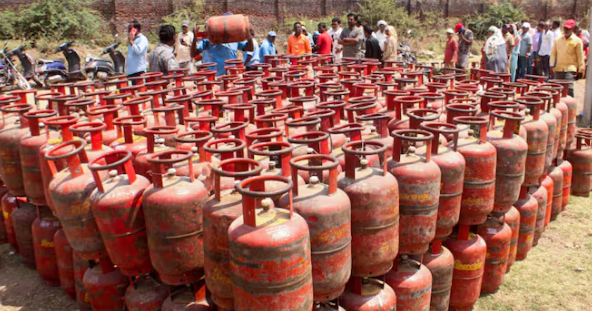
Kozhikode’s hostels are at the epicenter of Kerala’s severe commercial LPG shortage, with mess operations grinding to a halt and leaving students and workers scrambling for meals. This crisis, sparked by central government priorities amid West Asia tensions, has intensified since early March 2026, hitting urban student hubs like West Hill hardest.
Roots of the LPG Crisis
The shortage originated from a March 9, 2026, Ministry of Petroleum and Natural Gas directive under the Essential Commodities Act, redirecting all LPG production to public sector companies for domestic use only. Commercial users like Kozhikode hostels, dependent on non-subsidized cylinders, face a complete cutoff as private refiners can’t bridge the gap. West Asia conflicts have slashed global LPG imports, compounding supply woes for Kerala’s hospitality and student accommodations.
Kozhikode’s Hostel Hardships
In Kozhikode, hostels and PGs report critically low gas stocks, rationing cylinders to last 10 days instead of 4-5 while simplifying menus to rice-heavy meals. Thousands of students in areas like West Hill and Palayam are affected, mirroring statewide trends but amplified in this educational hub. Local reports highlight thattatukadas (street stalls) have shuttered, forcing residents into costlier external options or skipped meals. Residents echo a “pandemic-like” disruption, unable to focus on studies or jobs without reliable hostel food.
Broader Kerala Ripple Effects
Beyond Kozhikode, 40% of restaurants statewide have closed, alongside caterers and canteens switching to scarce firewood. Migrant workers are exiting ahead of Ramzan, and Kochi hostels face similar mass disruptions. Hostel associations warn of job losses for cooks and staff, prioritizing aid after hospitals.
Stakeholder Responses and Protests
The Kerala Hotel & Restaurant Association (KHRA) has submitted memorandums to the Prime Minister, Union Petroleum Minister, and Kerala Chief Minister, demanding commercial LPG as an essential commodity. President G Jayapal emphasized risks to students, workers, and patients reliant on affordable hostel meals. Hostel Owners Welfare Association’s Naseem Hamza noted menu tweaks and notices to residents, while groups explore community cloud kitchens on firewood. The Hotel Owners Federation planned a protest march in Kochi’s Kaloor on March 17, 2026, and the Professional Hostel Owners Association seeks government intervention. Civil Supplies Department promises steps to improve supply, but no immediate relief as of March 17.
Potential Long-Term Solutions
Some hostels are piloting firewood-based cloud kitchens, though urban firewood shortages pose challenges. Stakeholders advocate policy tweaks to allocate commercial quotas post-domestic needs, alongside diversified imports. For residents, short-term coping includes reduced cooking, external meal sourcing (where available), or temporary relocations unsustainable amid rising costs. Long-term, Kerala may push for state-level stockpiles or alternative fuels like PNG/electric stoves, though infrastructure lags.
As the LPG shortage tightens its grip on Kozhikode’s hostels, this crisis serves as a stark reminder of Kerala’s over-reliance on fragile energy supply chains, especially for its vibrant student community. Urgent collaboration between state and central authorities is essential to restore commercial supplies, explore sustainable alternatives like PNG infrastructure, and prevent long-term disruptions to education and livelihoods. For now, affected residents must innovate with community resources, but prolonged delays risk turning a gas crunch into a full-blown humanitarian concern watching closely, Kozhikode awaits relief.