

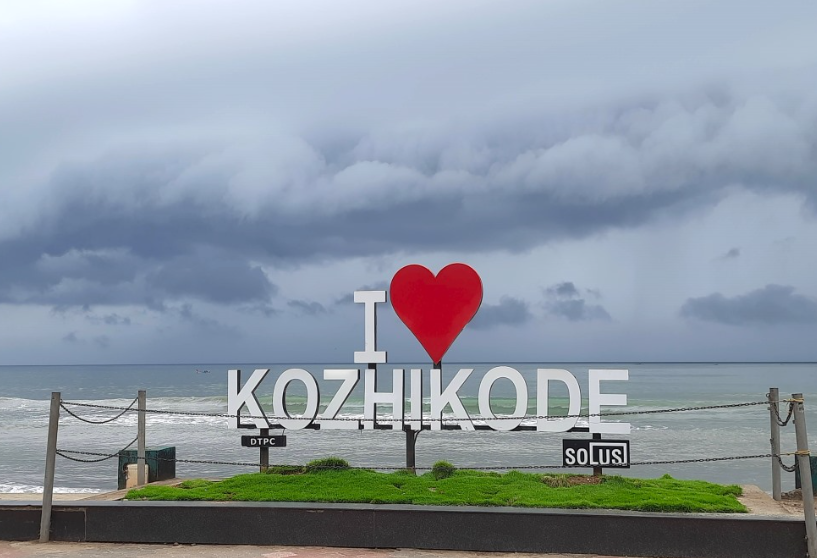
The Global Gateway: Long before Dubai or Singapore were trade hubs, Kozhikode was the “City of Spices.” In 1498, Vasco da Gama landed at Kappad Beach, an event that literally changed the map of the world by opening the sea route from Europe to India.
India’s First UNESCO City of Literature: In 2023, Kozhikode became the first Indian city to receive this prestigious title. It has over 500 libraries and a reading culture so intense that even the local tea shops often have stacks of newspapers and literary journals for customers.
The Name “Calico”: Ever wore a calico print? The word actually derives from Calicut. The city was world-renowned for its fine, hand-woven cotton cloth, which was exported globally.
The “Uru” Ships of Beypore: In a small suburb called Beypore, craftsmen still build massive wooden ships called Urus by hand. The crazy part? They use no blueprints. The entire design is passed down through generations and kept in the master carpenter’s head.
The Beypore Sultan: One of India’s most beloved writers, Vaikom Muhammad Basheer, lived here. He’s often called the “Beypore Sultan,” and his home remains a site of pilgrimage for book lovers.
Sweet Meat Street (Mithai Theruvu): The city’s most famous street is named after Halwa. European traders called it “Sweet Meat” because they couldn’t wrap their heads around the dense, gelatinous texture of the local Halwa.
The Legend of the Biryani: Kozhikode Biryani (using thin, fragrant Khyma rice instead of Basmati) is legendary. In 2023, the iconic Paragon Restaurant in Kozhikode was ranked as the 5th most legendary restaurant in the world by TasteAtlas.
Architectural Wonders: The 650-year-old Mishkal Mosque exemplifies timber architecture without domes, built by a single Arab merchant. Beypore’s ancient Uru shipyards craft nail-free wooden dhows, a tradition over 1,500 years strong.
The World’s Largest Handloom Skirt: In March 2024, a Kozhikode-based fashion designer, Shemina Sasikumar, created a massive handloom skirt with a circumference of 108 meters. It features traditional Theyyam motifs and was crafted to promote the local handloom industry. It’s a perfect example of how the city blends its “Calico” textile history with modern record-breaking ambitions.
The “Big Bazaar” of the Middle Ages: Kozhikode is home to Valiyangadi (Big Bazaar), which is one of the oldest and longest-running spice markets in India. Walking through it today feels like a time machine; you can still see merchants using a unique system of finger-counting under a cloth to negotiate prices a secret “silent” language used for centuries to keep trade deals private from onlookers.
The Legend of the “Broken” Pier: If you visit Kozhikode Beach, you’ll see two iron piers jutting out into the sea, partially destroyed. These aren’t just ruins; they are the skeletal remains of the city’s colonial-era shipping infrastructure, making them the perfect “moody” backdrop for Instagram photography or a poignant blog reflection on the passage of time.