

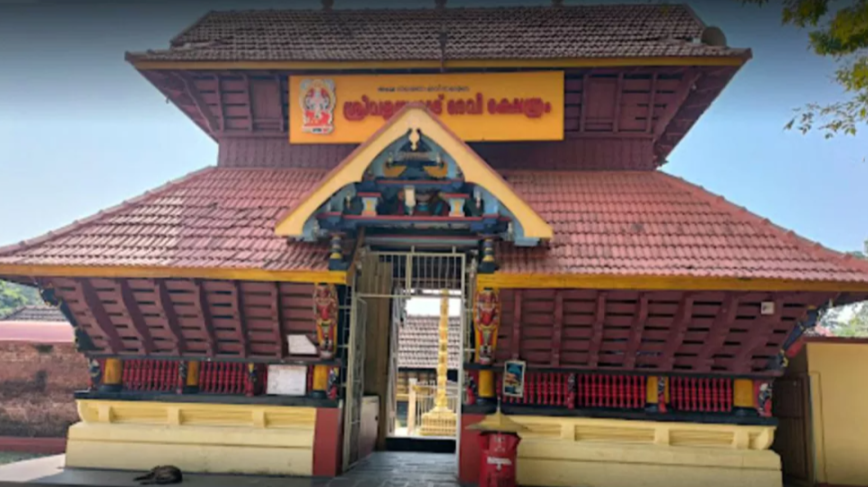
Valayanad Devi Temple in Kozhikode’s Mankavu area emerges as a profound Shakti shrine, blending Kerala architecture with rare Kashmiri rituals as the cherished family deity of Zamorin kings. Nestled 10km from city center on the Kozhikode-Govindapuram road near Valayanad Beach, this north-facing haven honors Goddess Bhagavathy manifested as Chandika or Kalasarppini from Kashmir drawing devotees for protection, prosperity, and ancestral rites. Its 14th-century origins amid Zamorin-Valluvanad wars cement its place in Malabar’s spiritual legacy, ideal for bloggers unveiling Kozhikode’s temple treasures.
Ancient Legends and Zamorin Legacy
Zamorins constructed the temple after triumphs over Valluvanad forces, enshrining a sacred gold bangle talisman alongside a Srichakra on gold leaf and granite idols of Devi with Sapthamathrukkal on the southern wall. Parasurama legends trace its sanctity to Kodungallur consecrations, where the goddess appeared as a dynasty guardian during medieval conflicts. As Padinhare Kovilakam family deity, it hosted royal rituals, evolving Rurujit worship distinct from standard Kerala Shaktism emphasizing fierce benevolence over tantric extremes. This heritage ties into Kozhikode’s Zamorin era, where temples like Valayanad fortified cultural identity against invasions, blending Bhargavi lore with local valor tales.
Striking Kerala Architecture
Intricate wood carvings adorn gopurams, Nalambalam courtyards, and Anakkottil elephant sheds, while the sreekovil boasts vyaali-faced sopaanam steps, flower-motif roofs, and a chariot-shaped sanctum evoking Chola echoes in laterite stonework. Murals narrate myths across walls, with sub-shrines for Shiva, Ayyappa, Ganapathy, Thevaara Bhagavathi, and Kshethrapaalan featuring brass accents. Preservation efforts highlight brass deepasthambhams and brass-peacock motifs, creating a serene ambiance amid palm groves.
Unique Rituals and Vibrant Festivals
Guruthy Tharpanam stands out, offering crimson liquids to ancestors in a poignant ritual unseen elsewhere, complemented by daily Kashmiri pujas with tulsi leaves and lamps. Annual festivals erupt in processions with caparisoned elephants, Theyyam-like performances, and cultural nights, peaking during Navarathri for Kalamezhuthu art. Devotees vow for healing, fertility, and success, with the goddess credited for Zamorin victories modern pilgrims blend tradition with beachside serenity.
Dawn Nirmalyam: Fresh garlands invoke awakening.
Seeveli: Evening processions with chants.
Pradosha: Lunar rites for prosperity.
How to Visit and Explore
Reach via KSRTC buses or autos from Kozhikode Railway Station (20-min ride); open 5 AM-12 PM, 5-8 PM, best pre-dawn for quiet darshan. Dress in traditional attire, deposit mobiles at counters, and pair with Valayanad Beach sunsets or Thiruvannur Mahadeva Temple trails. Entry free; donate for annadanam feasts avoid peak Utsavam crowds, carry water amid tropical heat.
Nearby: Kappad Beach (15km) for Vasco da Gama history, merging spirituality with coastal vibes.
As the temple bells fade into Valayanad’s twilight and the goddess’s eternal gaze lingers over Kozhikode’s verdant horizon, this sacred sojourn reveals more than stone carvings it’s a living bridge to Zamorin valor, Kashmiri mysticism, and Malabar’s unyielding spirit. Whether chasing Guruthy rituals or beachside serenity, Valayanad Devi Temple invites every seeker to uncover personal miracles amid its hallowed groves.